A grey stone can look blue beside cool white paint, taupe beside warm wood, and almost charcoal when its textured face is wet. You will be able to classify the stone’s undertone, test it against surrounding materials and lighting, compare finishes for the intended use, and set bulk-order controls that prevent a mismatched delivery.
Key takeaways
- Match blue, green, taupe, or charcoal undertones before selecting grey stone.
- Approve full slabs, not one sample, before placing a bulk order.
- Use leather finish where texture and slip performance suit the traffic.
- Record approved samples, lot details, and installation areas in the purchase order.
Start with Undertone, Not the Word Grey
Match the undertone before matching the colour name. A grey stone can read blue-grey, green-grey, taupe-grey, or charcoal, and leathering often makes it look darker than honed stone because micro-shadows and retained moisture deepen the face.
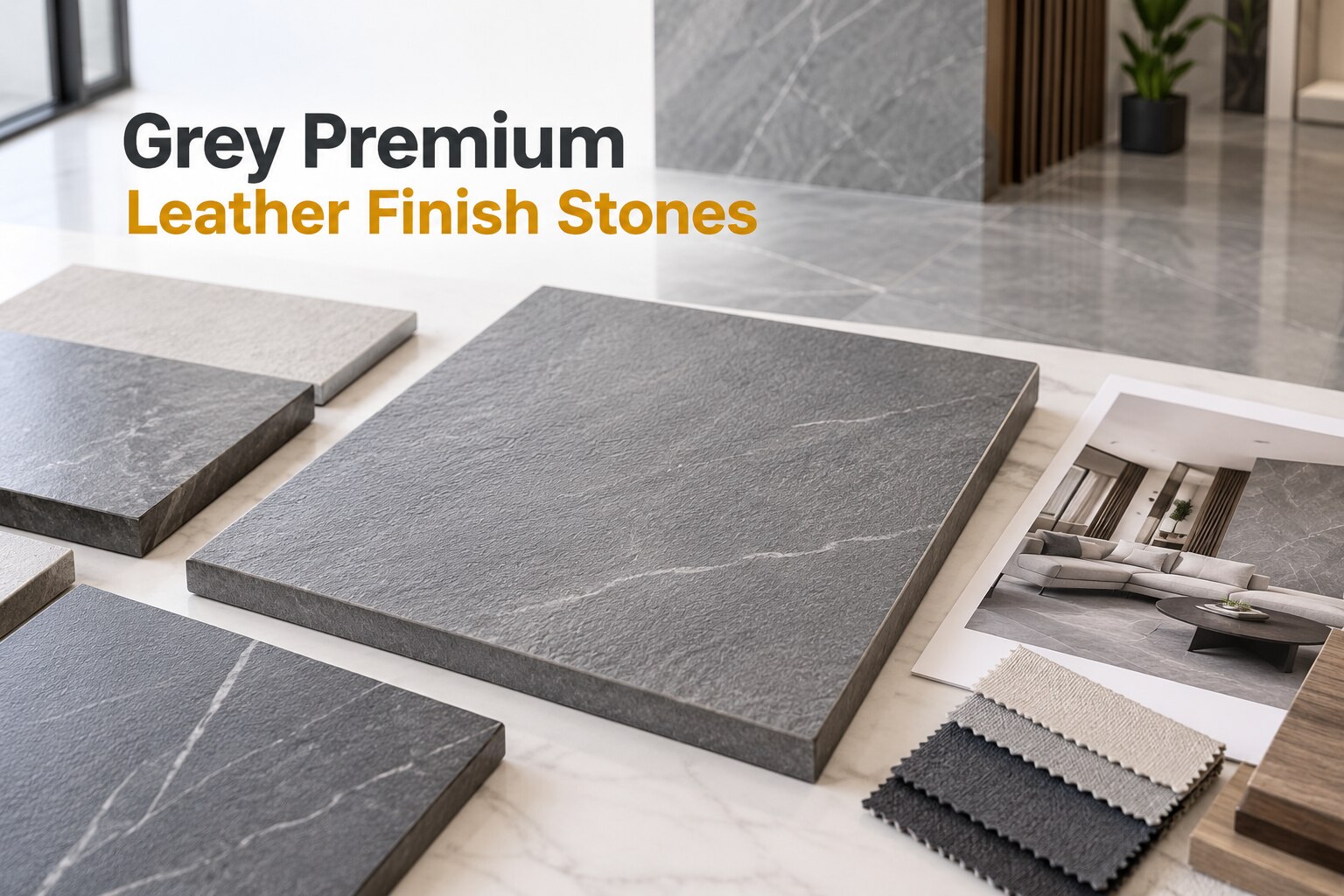
If you are evaluating grey premium leather finish stones for design problems, compare the stone dry and wet under the lighting used in the project.
| Adjacent material | Matching move | Mismatch to avoid |
|---|---|---|
| Paint | Pair blue-grey stone with clean white or cool paint; pair taupe-grey with warm off-white | Warm beige paint can make blue-grey stone look dirty |
| Wood | Use oak, walnut, or other timber samples beside the stone, not photographs | Orange or red wood can exaggerate a green or purple cast |
| Metal | Compare the stone with brushed steel, black, bronze, or brass in the actual sheen | Glossy metal can make a textured stone appear flatter or darker |
| Glass | Test clear, grey, blue, and green glass against the stone | Tinted glass can shift the perceived undertone |
| Grout | Match grout to the stone’s dominant body colour and test the proposed joint width | Bright white grout highlights tonal variation |
| Other paving | Compare full-size pieces from adjoining materials under the same light | A uniform paver can make natural variation look excessive |
Build a realistic sample panel with representative slab scale, proposed grout, joint width, sealer, lighting, and adjacent finishes. Approve samples from multiple production batches; one showroom chip can hide banding, fossils, and the full colour range. Record the approved range and orientation before ordering.
Approve the Full Visual Range Before Ordering
A single showroom chip cannot predict a continuous installation. Approve grey tandur leather stone from full-size slabs or production panels that show tonal bands, fossils, open pores, texture depth, and the shift between blue-grey, taupe-grey, green-grey, and charcoal.
1. Request representative samples from multiple quarry blocks or processing lots. Record the quarry source, block or lot number, processing date, finish tooling, slab dimensions, and nominal thickness.
2. View each sample dry and wet, indoors and outdoors, under the project’s actual daylight and artificial lighting. Leathering creates micro-shadows and can hold moisture, making the stone look darker than a smooth honed sample.
3. Lay slabs together in the intended installation pattern. Check whether the scale of veining, fossil marks, tonal bands, and face texture creates an acceptable rhythm across adjoining pieces rather than a patchwork effect.
4. Measure thickness at several points and inspect calibrated edges, chipped corners, cracks, resin or filler patches, and edge treatment. Even matching faces will look misaligned when slab thickness or edge squareness changes the joints.
5. Select an approved control slab or panel, photograph it under identified lighting, and define the acceptable visual range in writing. Compare every delivery with it before cutting, mixing lots, or distributing material across rooms.
Lighting direction changes how texture and edge shadows read, so assess floors, walls, and paving at their actual viewing distance. Keep replacement slabs from the same recorded lot whenever a continuous field must remain visually uniform.
Choose the Finish for the Surface and the Traffic
A leather finish is a texture, not a performance grade. Brushing or abrasive tooling creates raised and recessed areas after flattening, so two processors can produce different “leathered” surfaces. Texture can also make grey stone look darker by creating micro-shadows and holding moisture.
| Finish | Surface behaviour | Typical fit |
|---|---|---|
| Leather | Textured, matte, and visually deeper; recessed areas collect grit and oily soil | Feature floors, walls, sheltered paving, and areas where texture is acceptable |
| Honed | Smooth, low-sheen, and easier to wipe; wet traction depends on the stone and sealer | Interior floors, walls, and low-texture designs |
| Polished | Reflective and smooth; water and grit can sharply reduce traction | Walls, vanities, and dry decorative surfaces, not wet walking areas |
| Natural-cleft | Split, irregular face with stronger relief and possible thickness variation | Rustic walls, outdoor paving, and landscapes where unevenness is acceptable |
| Sandblasted | Uniformly matte and finely textured; cleaning and traction depend on depth | Exterior paving, walls, and contemporary low-glare surfaces |
| Hammered | Deep, deliberately pitted texture with strong shadow and wear character | Feature paving and landscape surfaces, not smooth-cleanability zones |
Require a slip test on the actual grey leather finish for wet rooms, pool surrounds, ramps, stairs, entrances, terraces, and exterior paving. Specify the project method, such as ANSI A326.3 where adopted, and test the finished sealer and contamination condition.
For heavy foot traffic, retail floors, public corridors, or gritty entrances, require abrasion testing and a maintenance trial; high points can polish while recesses retain dirt.
Test Suitability Before Specifying Interior or Exterior Areas
Approve the stone for a named use only after checking performance in that location, not colour alone. A dry sample proves little about a wet ramp, pool surround, or exterior step.
| Application | Checks before approval | Stop or restrict use when |
|---|---|---|
| Floors | Abrasion resistance, thickness, flatness, stain response, and wet slip result | Traffic or cleaning exceeds the tested rating |
| Paving | Water absorption, flexural or breaking strength, abrasion, thickness, and drainage | Exterior exposure or loading exceeds the available data |
| Stairs | Wet and dry slip, nosing detail, breaking strength, and edge durability | The tread becomes slippery or the edge chips under impact |
| Walls | Weight, panel dimensions, fixing method, bowing, and freeze-thaw suitability outdoors | The substrate or anchors cannot carry the stone |
| Countertops | Absorption, stain and acid sensitivity, resin or filler repairs, and heat exposure | Food oils, acids, or unsupported spans exceed test conditions |
| Wet areas | Wet slip, absorption, sealer compatibility, grout joints, and cleaning resistance | Texture retains contamination or traction falls when saturated |
| Ramps | Wet slip using the actual finish, slope, drainage, and abrasion resistance | Traction results do not cover the specified slope or contamination |
| Terraces | Absorption, freeze-thaw suitability, flexural strength, drainage, and thermal movement | Water can pond beneath or around the paving |
| Pool surrounds | Wet slip, chlorine and salt exposure, edge comfort, absorption, and drainage | The finish polishes under traffic or stays slippery when wet |
For grey leather finish stones bulk, inspect delivered slabs against the control sample before cutting: compare colour range, texture depth, thickness, edges, cracks, filler patches, and lot number. Require production-finish results, such as ANSI A326.3 where adopted, rather than accepting “textured” as proof of safety.
Turn Visual Approval into a Controlled Bulk Purchase
Require a grey leather finish stones supplier to sell against a documented control slab, not a product name or showroom photograph. The control must represent production scale and show dry and wet color, texture depth, tonal bands, fossils, and edge condition under the project’s lighting.
Specify these points in the quotation and purchase order:
- Quarry source, block or quarry-lot number, processing-lot number, processing date, slab dimensions, and nominal thickness.
- An approved control slab, with written limits for acceptable shade variation, finish depth, thickness tolerance, cracks, fillers, resin patches, and edge damage.
- No mixed quarry or processing lots without your written approval; identify the lot on every bundle and delivery document.
- Packaging that separates slabs with suitable protection against rubbing, corner impact, moisture staining, and contamination.
- A receiving inspection before cutting or distribution. Compare color range, leather texture, thickness, edges, defects, and lot markings against the control slab.
- A stated remedy for nonconforming material: replacement, credit, sorting, or collection at the supplier’s cost, with a deadline for resolving the claim.
- Quantity calculated for layout-specific cutting waste and visual sorting, including rejected shade bands, open seams, damaged corners, openings, and vein direction.
Ask a grey premium stone dealer for absorption data where available, finish-specific samples, use limitations, and the stated thickness tolerance. Agarwal Stone Company can be assessed on the same evidence: approve the material record first, then release the bulk order.
Retain photographs, signed sample approval, inspection notes, and delivery lot numbers. That file gives you a defensible comparison when a later shipment does not match the installed stone.
Related products
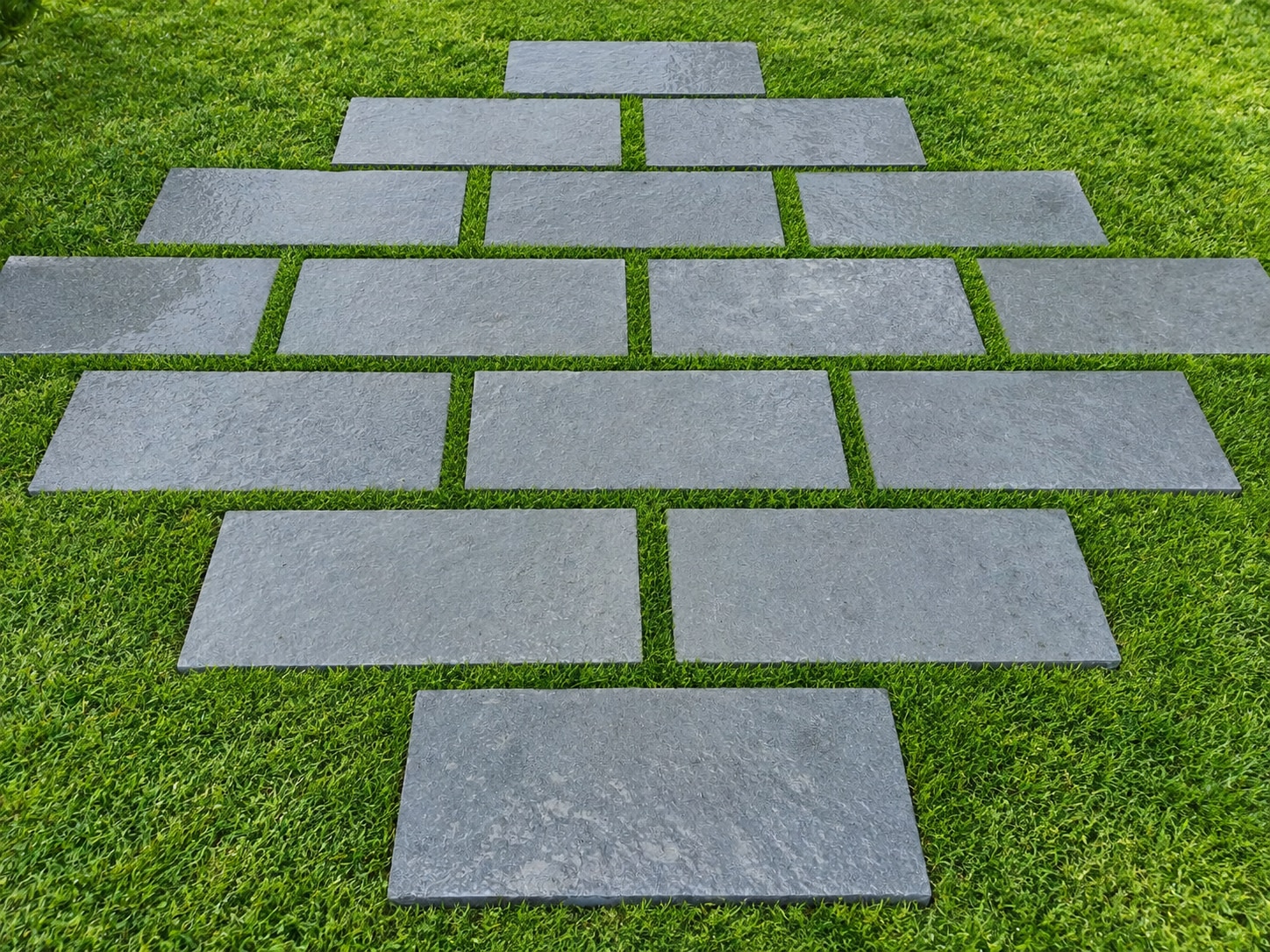 | Leather Finish Stones Leather Finish Stones – Natural Beauty with a Premium Finish Give your spaces a stylish and natural look with Leather Finish Stones, carefully... View product → |
 | Tandur Stone Grey Leather Stones are basically Lime stone slabs. They are excavated naturally from the depth of land and brought to processing units for... View product → |
Frequently asked questions
How do you match the undertone of grey leather finish stone?
Compare samples beside the project’s fixed materials and identify whether the stone reads blue-grey, green-grey, taupe-grey, or charcoal. Leathering can deepen the face through micro-shadows and retained moisture.
Why should you approve the full visual range before ordering?
Grey stone varies across slabs, so inspect multiple full-size pieces in the intended lighting. Approve the acceptable range of shade, veining, texture, edge appearance, and surface variation.
How do you choose between leather, honed, and other stone finishes?
Select the finish according to the surface’s use, traffic, cleaning demands, and slip exposure. Leather finish adds tactile texture and can look darker than honed stone.
What should you test before specifying grey leather stone indoors or outdoors?
Test representative samples for wet-slip behaviour, staining, cleaning response, weather exposure, water absorption, and colour change under the actual lighting and site conditions.
How can you control a bulk purchase of grey leather finish stones?
Put the approved sample, acceptable shade range, finish, thickness, dimensions, quantity, packing requirements, and lot or batch identification in the purchase order.
Related products
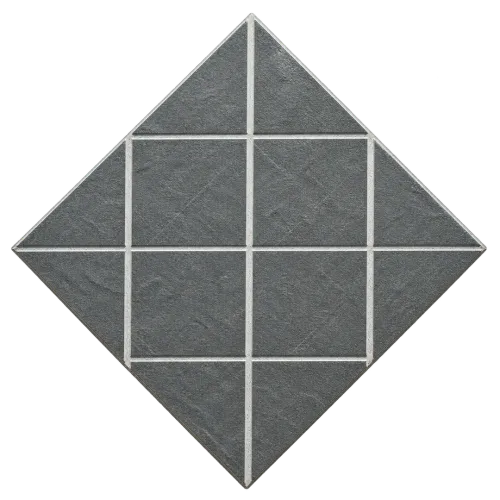
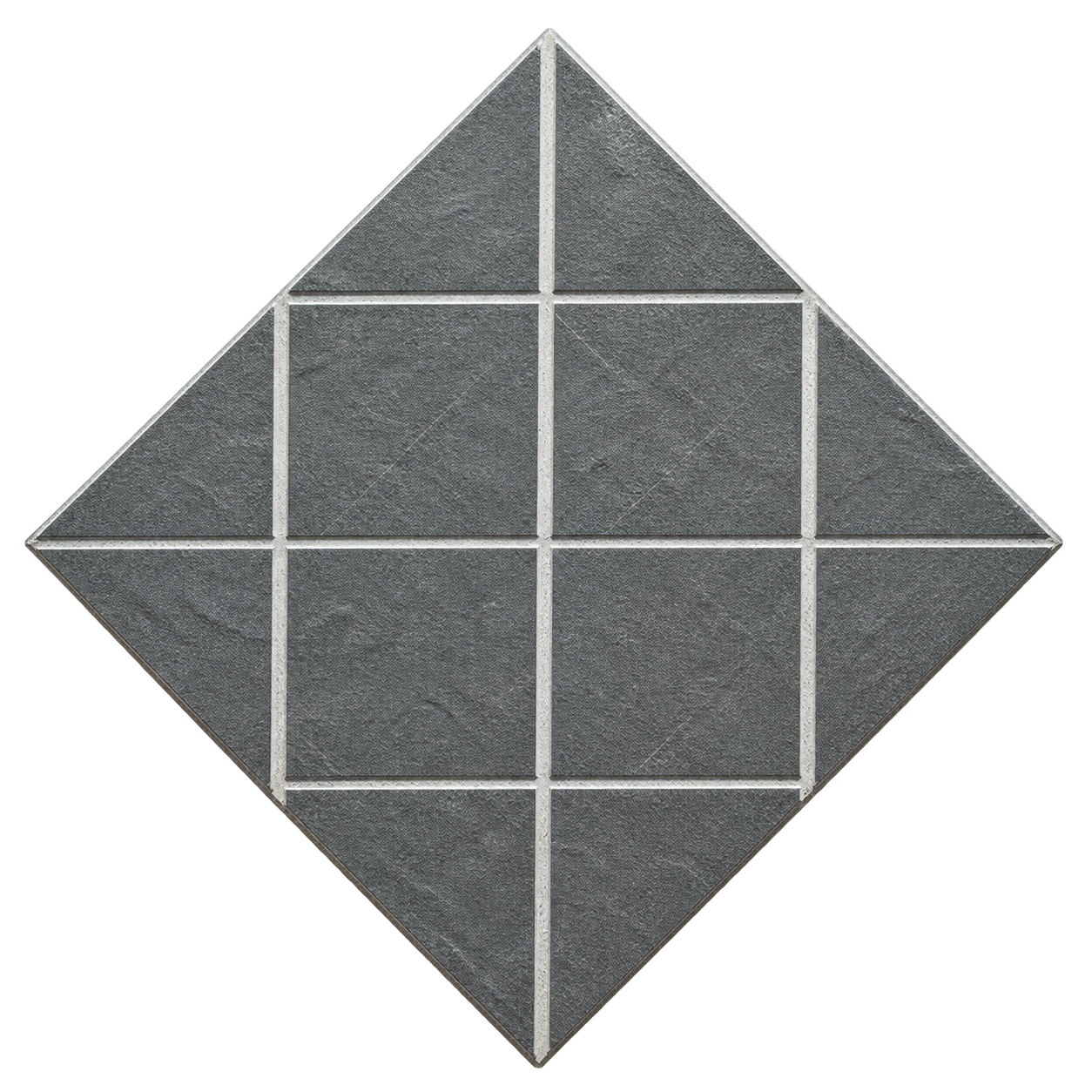 | Pattern Stones Grey Diamond Pattern Stone Grey Diamond Pattern Stone is a stylish and durable Tandur stone product featuring a distinctive diamond-pattern design. View product → |
 | Leather Finished Ocean Green Tandur Stone are lime stones. The upper surface of the stone is processed to give the leather texture and very feathery soft finish. View product → |
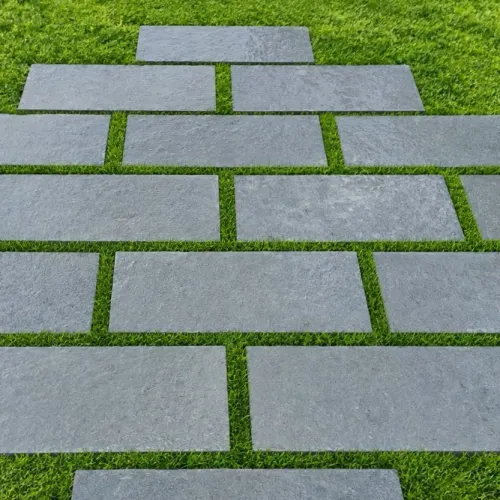
 | Grey Natural Stone ₹26 This product is used for outdoor purposes. View product → |
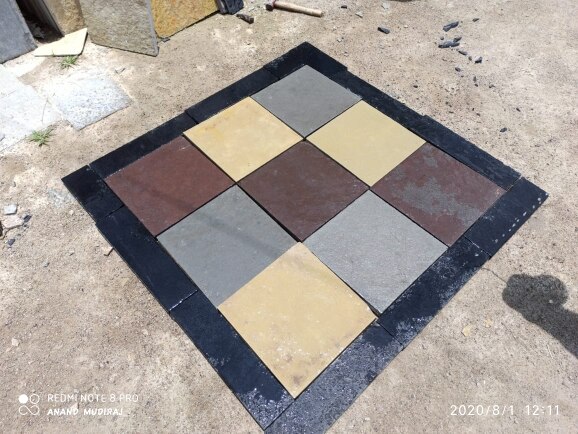 | Leather finished stones Rangoli ₹20 multi coloured leather finish |
Keywords