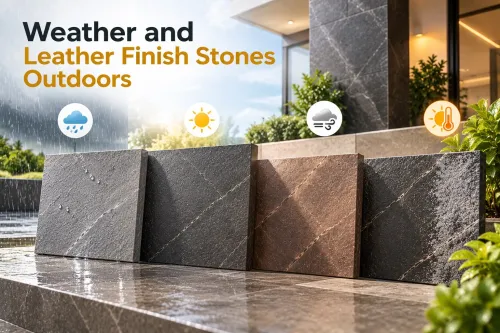





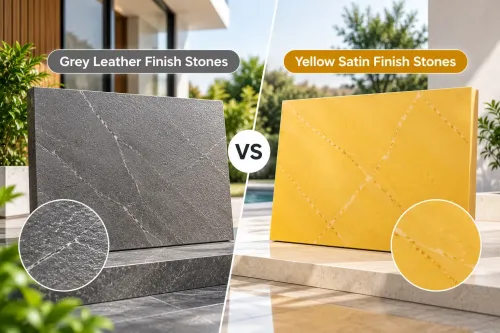
Greay Leather Finish Stones Compared with Yellow Satin Finish Stones
The words leather and satin describe surface treatments, not fixed industry standards, while grey and yellow describe stone colour ranges that can vary from batch to batch. By comparing finished samples under real lighting, wet conditions, traffic, and cleaning requirements, you can choose the better surface and write a purchase specification that prevents surprises.
Key takeaways
- Leather and satin describe surface texture, not limestone colour.
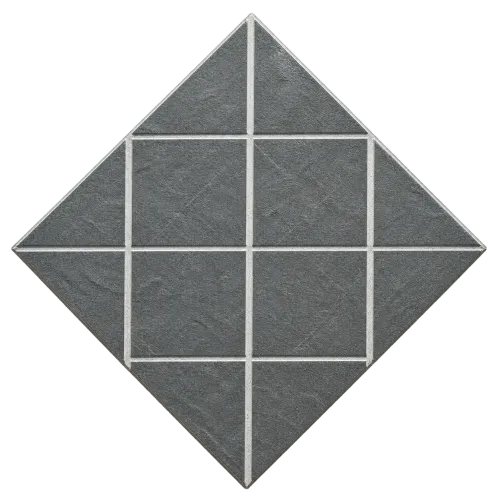
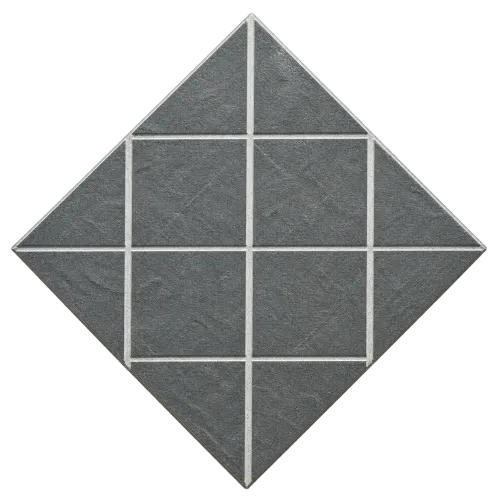
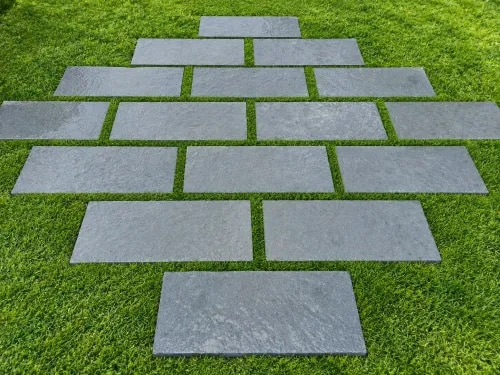
- Use grey leather stone where grip and muted texture matter.
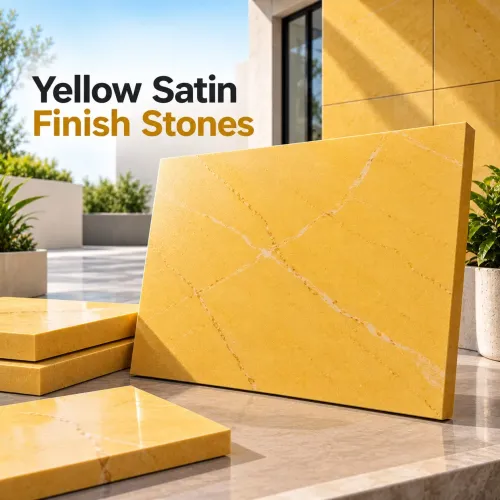
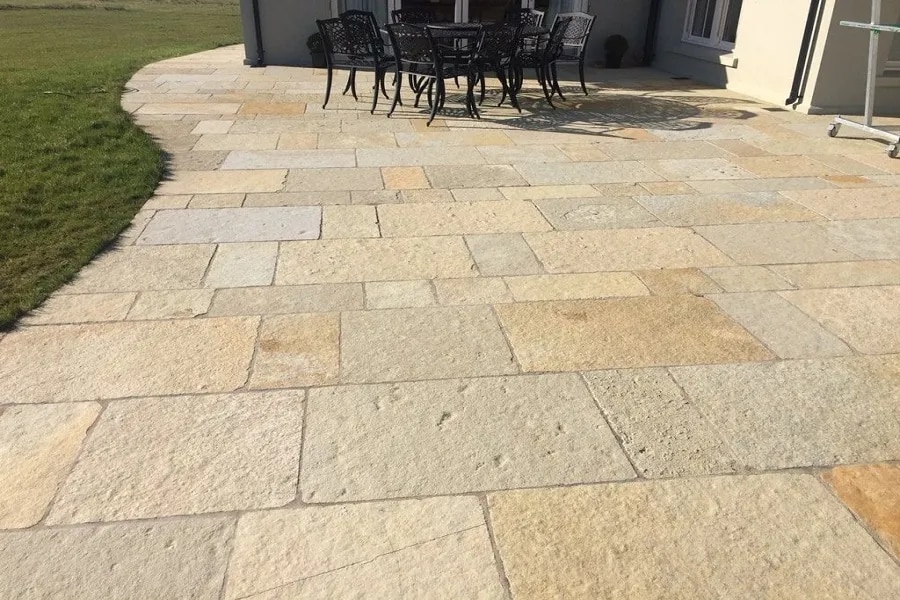
- Choose yellow satin stone for a smoother, warmer visual finish.
- Specify finish, thickness, edge detail, sealer, and slip requirements in writing.
What leather and satin actually mean on limestone
Leather and satin describe how limestone is worked after sawing; they do not identify its colour. Greay leather finish stones, more commonly written grey leather-finish stone, have a tactile surface created by brushing, light texturing, or abrasive tooling.
The label is not a universally controlled ASTM finish designation, so one processor’s leather may feel rougher or show less sheen than another’s.